
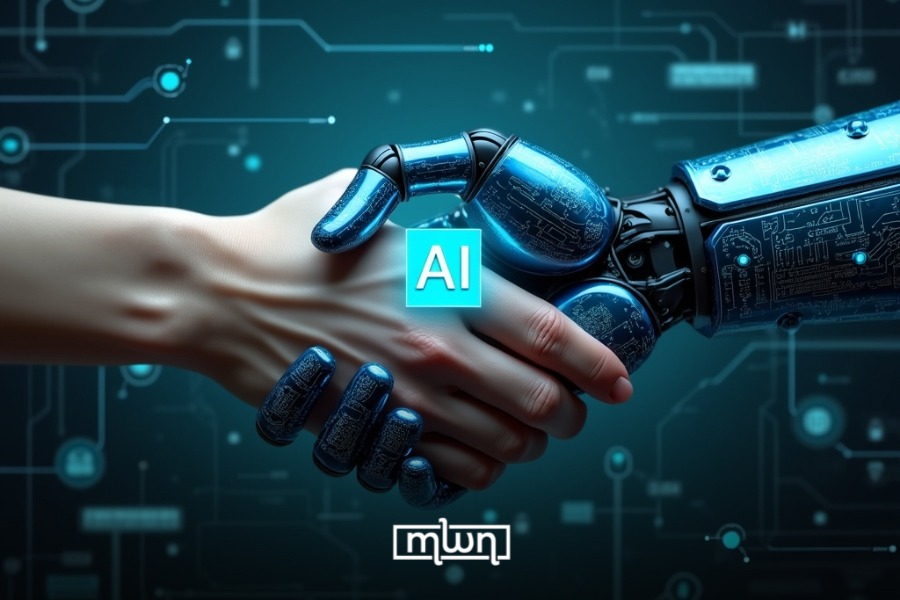
The rise of AI-powered workflows marks a significant transformation in the way businesses operate, streamlining processes and enhancing productivity across various industries. Artificial intelligence (AI) technologies have evolved rapidly, enabling organizations to automate repetitive tasks, analyze vast amounts of data effortlessly, and make informed decisions with greater accuracy. This shift is not merely about replacing human effort but augmenting it by allowing employees to focus on higher-value activities that require creativity, critical thinking, and emotional intelligence.
At the core of AI-powered workflows lies machine learning algorithms that can learn from data patterns and improve over time without explicit programming. These systems integrate seamlessly with existing software platforms such as customer relationship management (CRM), enterprise resource planning (ERP), and supply chain management tools. By embedding AI capabilities into these applications, companies can automate routine functions like scheduling meetings, processing invoices, managing inventory levels, or even responding to customer inquiries through chatbots powered by natural language processing.
One of the most compelling advantages of AI-driven workflows is their ability to reduce human error while accelerating task completion. For example, in financial services, automated fraud detection models analyze transaction data in real-time to identify suspicious behavior more effectively than manual reviews. Similarly, in healthcare settings, AI assists clinicians by prioritizing patient cases based on urgency or suggesting potential diagnoses derived from medical records and imaging scans. These improvements not only increase operational efficiency but also enhance service quality and compliance with regulatory standards.
Moreover, AI-powered workflows foster better collaboration among teams by providing intelligent insights and recommendations tailored to specific roles within an organization. Project management tools equipped with predictive analytics can forecast project risks or resource bottlenecks before they become critical issues. Marketing departments benefit from personalized campaign strategies generated through consumer behavior analysis conducted by AI systems capable of sifting through social media trends and purchase histories at scale.
Despite these benefits, integrating AI into workflows presents challenges such as ensuring data privacy, addressing ethical concerns around automation’s impact on jobs, and managing change within corporate cultures resistant to new technologies. Successful adoption requires a strategic approach involving employee training programs that emphasize upskilling rather than replacement alongside transparent communication about how AI supports rather than supplants human workers.
In conclusion, the rise of AI-powered workflows represents a paradigm shift toward smarter business operations characterized by increased agility and innovation potential. Organizations embracing this substack trend are better positioned to compete in an increasingly digital economy where speed and precision are paramount. As technology continues advancing rapidly, leveraging artificial intelligence thoughtfully will be essential for unlocking new opportunities while maintaining trust and fairness in workplace environments worldwide.