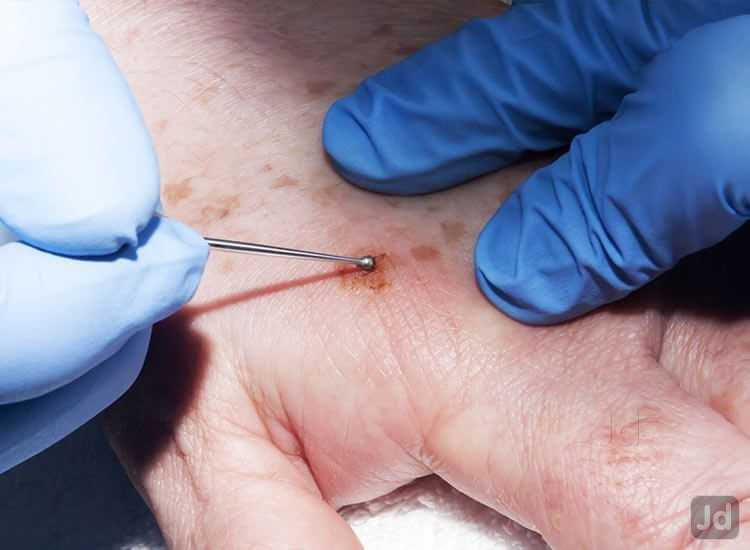
Moles are common skin growths that can appear anywhere on the body. While most moles are harmless, some individuals choose to have them removed for cosmetic reasons or due to concerns about potential malignancy. This guide provides an overview of mole removal options, considerations, and aftercare tips for achieving clear skin.
Understanding moles is the first step in deciding whether removal is necessary. Moles are clusters of pigmented cells called melanocytes and can vary in color from flesh-toned to dark brown. They may be flat or raised and develop during childhood or early adulthood. Although most moles are benign, changes in size, shape, color, or texture could indicate a risk of melanoma, a type of skin cancer.
Before proceeding with mole removal, it is crucial to consult a dermatologist who can evaluate the mole through visual examination and possibly a biopsy. A biopsy involves taking a small tissue sample from the mole for lab analysis to rule out cancerous cells. If the mole poses no health risks but remains an aesthetic concern, several removal methods are available.
Surgical excision is one common method where the dermatologist numbs the area with local anesthesia before cutting out the mole with a scalpel. This technique ensures complete https://moleremovalat.com/warts/mouth/tongue/ removal but may leave a scar depending on the size and depth of the mole.
Shave excision involves removing raised moles by shaving them off at skin level using a surgical blade. It typically results in minimal scarring but might not be suitable for flat moles.
Laser treatment employs concentrated light beams to break down pigment within superficial moles without damaging surrounding tissue. This non-invasive option minimizes scarring but might require multiple sessions for complete effectiveness.
Cryotherapy freezes off smaller surface-level moles using liquid nitrogen; however, this method may not penetrate deeper layers effectively compared to other techniques like surgical excision.
Radiofrequency ablation uses high-frequency electrical currents delivered via specialized equipment designed specifically toward dermatological procedures targeting unwanted lesions such as warts/molluscum contagiosum along similar lines involving cryosurgery/laser therapy approaches mentioned earlier above respectively here too accordingly enough said already now moving forward onto next paragraph…
Aftercare plays an essential role post-removal ensuring optimal healing while reducing infection/scar formation chances significantly altogether thankfully nowadays we have plenty options ranging over-the-counter ointments prescription creams alike readily available pharmacies worldwide helping soothe irritated areas promote faster recovery times overall thus allowing patients get back routine activities sooner rather than later hopefully enjoying newfound confidence clearer complexion achieved ultimately thereby concluding article right about here finally!