
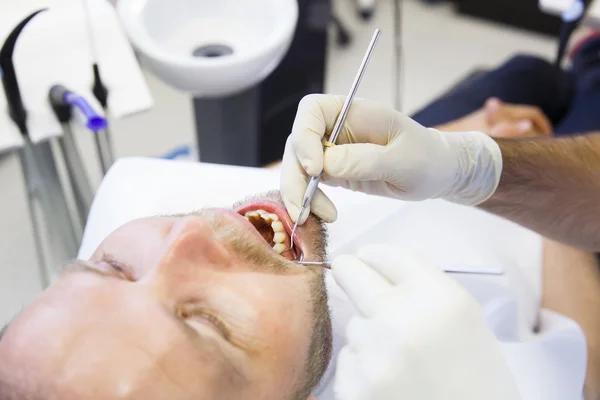
Cosmetic dentistry has undergone remarkable transformations in recent years, thanks to the integration of advanced technologies. These innovations have not only enhanced precision and efficiency but also significantly improved patient outcomes, making procedures more comfortable and accessible than ever before. By leveraging cutting-edge tools and techniques, dental professionals are now able to deliver aesthetically pleasing results that cater to the unique needs of each individual.
One of the most revolutionary advancements in cosmetic dentistry is digital smile design (DSD). This technology allows dentists to create a virtual model of a patient’s teeth and simulate potential outcomes before any procedure begins. Using high-resolution imaging and 3D modeling software, patients can visualize their new smiles with incredible accuracy. explore this link for additional information eliminates much of the guesswork traditionally associated with cosmetic treatments while fostering better communication between dentists and patients.
Another groundbreaking innovation is CAD/CAM (computer-aided design/computer-aided manufacturing) technology. With this system, dental restorations such as crowns, veneers, or bridges can be designed digitally and fabricated on-site within hours. The precision offered by CAD/CAM ensures perfect fits for restorations, reducing discomfort for patients while minimizing turnaround times.
Laser dentistry has also emerged as a game-changer in cosmetic procedures. Lasers are used for everything from whitening teeth to reshaping gums with unparalleled accuracy. Their minimally invasive nature reduces pain during treatments while promoting faster healing times compared to traditional methods.
In addition to these advancements, artificial intelligence (AI) is beginning to play an integral role in diagnostics and treatment planning within cosmetic dentistry. AI-powered systems analyze vast amounts of data from patient records and imaging scans to identify issues early on or predict how certain treatments will impact long-term oral health.
Teledentistry has further expanded access by enabling remote consultations through video calls or mobile apps. Patients can discuss their concerns with specialists without needing an initial visit to the clinic—a convenience that saves time while ensuring personalized care plans are developed efficiently.
The use of biocompatible materials like zirconia for implants or ceramic composites for veneers has also contributed significantly toward achieving natural-looking results that last longer than traditional options. These materials mimic the translucency of natural enamel while being durable enough to withstand daily wear.
As advanced technologies continue shaping cosmetic dentistry’s future landscape, both practitioners and patients stand poised to benefit immensely from these innovations—ushering in an era where beautiful smiles are achievable with greater ease than ever before.


